

Rising construction costs across Ireland have made budgeting for a new home more complex than in previous years. Material price volatility, labour shortages and stricter energy performance regulations have all influenced build rates. Homeowners researching how much it costs to build a house in Ireland projects today will encounter a wide range of figures, often without clarity on what is included. Square metre rates can vary significantly depending on specification, location and contract structure.
In addition to base construction costs, site works, professional fees, VAT considerations and compliance requirements all affect the final figure. Energy regulations now require higher insulation standards and low-carbon heating systems, which add to upfront expenditure but improve long-term performance.
This guide breaks down current cost ranges, explains what influences pricing and outlines common hidden expenses. Conneally Group approaches new builds with transparent budgeting and structured cost planning, ensuring homeowners understand the full financial scope before construction begins.
Average Cost Per Square Metre in Ireland
When estimating build budgets, cost per square metre is often used as a starting benchmark. However, these figures represent averages rather than fixed pricing. Rates vary depending on design complexity, specification level and regional labour conditions. In 2026, the build cost per m2 in Ireland figures typically reflect updated material pricing and stricter compliance standards. Homeowners should treat these numbers as guidance only, refining them through detailed quotations. Understanding what is included and excluded from square metre estimates is essential before finalising budgets.
Current Build Cost Per m² Range
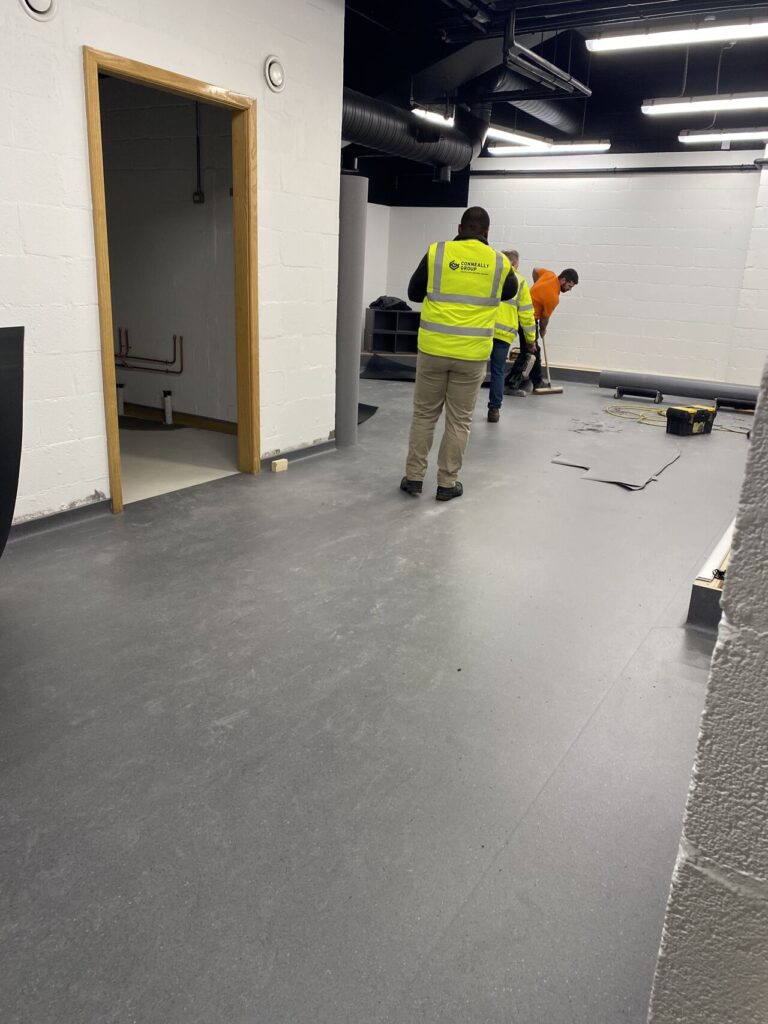
As of 2026, standard residential construction in Ireland generally ranges from approximately €2,200 to €3,000 per square metre for a typical turnkey specification. Higher-end architectural builds may exceed this range depending on materials and detailing. Rural projects can sometimes achieve slightly lower rates, while urban areas, particularly around Dublin, often sit at the higher end due to labour and logistics costs. These figures represent construction cost only and exclude land purchase and certain external expenses.
What Is Included in These Figures
Typical square metre rates include structural works, roofing, insulation, internal partitions, plastering, plumbing, electrical installation and standard finishes under a turnkey contract. They also account for labour, basic project management and compliance with current Building Regulations. Heating systems, usually incorporating heat pumps, are commonly included. Standard sanitary ware and internal doors may form part of this allowance, depending on specification. Detailed contracts clarify inclusions precisely.
Discuss Your Project with Us
What Is Not Included in m² Rates
Square metre estimates usually exclude site purchase, professional fees, planning costs and utility connection charges. External works such as driveways, boundary treatments and landscaping may also sit outside base construction pricing. Significant groundworks arising from poor soil conditions are typically treated separately. Understanding these exclusions is critical when calculating realistic overall budgets.
Total Cost to Build a Typical House
While square metre pricing offers a useful benchmark, homeowners often prefer total project figures. The overall new build cost Ireland families face depends on house size, site conditions and finish level. Calculating approximate totals provides context when assessing affordability. These examples assume average ground conditions and a standard specification. Higher-end materials or complex architectural designs increase overall expenditure.

Cost to Build a 3 Bedroom House in Ireland
A 150 square metre three-bedroom home built to a standard turnkey specification may cost between €330,000 and €450,000, depending on location and finish. This estimate excludes land purchase and certain professional fees. Homes with simple layouts and straightforward roof designs remain at the lower end of the range. Energy compliance features, including high-performance insulation and efficient heating systems, form part of these totals.
Cost to Build a 4 Bedroom House
A 200 square metre four-bedroom home may range from approximately €440,000 to €600,000 or more. Larger footprints increase material quantities and labour hours. Architectural detailing, glazing specifications and bespoke finishes can elevate the cost further. As house size grows, project management and coordination demands also increase, influencing pricing.
Rural vs Urban Build Cost Differences
Rural builds may benefit from lower labour rates and fewer logistical constraints. However, remote sites can incur higher transport costs. Urban projects often face tighter access restrictions and higher subcontractor pricing. Location, therefore, influences overall expenditure in both directions.
Turnkey vs Builder’s Finish Explained
Understanding contract structure is essential when budgeting accurately. A turnkey house cost in Ireland typically reflects a completed home ready for occupation, including flooring, painting and fitted kitchens. A builder’s finish contract, by contrast, delivers a weather-tight and internally plastered structure but excludes certain finishes. The difference significantly affects upfront cost and homeowner involvement.
What Is a Builder’s Finish
A builder’s finish generally includes the structural shell, roofing, external walls, windows, doors and internal plastering. Plumbing and electrical first fixes may be completed, but kitchens, floor coverings and final decoration are excluded. Homeowners arrange these elements separately, often spreading costs over time. While initial contract values appear lower, final total expenditure may align closely with turnkey pricing once finishing works are completed.
What Is Included in Turnkey
Turnkey contracts typically include completed kitchens, bathrooms, internal doors, flooring, painting and heating commissioning. The house is delivered ready for immediate occupation. This structure simplifies budgeting and reduces coordination burden for homeowners, though it may carry a higher upfront price.
Site Costs & Groundworks
Site-related costs are frequently underestimated in early budgets. Before above-ground construction begins, groundwork and infrastructure preparation are required. These expenses vary depending on soil conditions, access and service availability. Accurately forecasting site costs ensures financial stability throughout the build.

Foundations & Ground Conditions
Standard strip foundations suit many sites, but poor soil, rock excavation or high water tables can require additional engineering solutions. Piling, reinforced slabs or drainage works add significant expense. A detailed site investigation before final budgeting reduces the risk of unforeseen overruns.
Utility Connections & Services
Connecting to electricity, water and wastewater networks incurs separate charges. Rural properties may require on-site treatment systems or wells, increasing cost. Allowing sufficient budget for service connections prevents delays during completion stages.
External Works & Landscaping
Driveways, patios, boundary walls and drainage systems are often excluded from base construction pricing. These elements contribute meaningfully to overall expenditure. Planning for external works from the outset avoids post-completion financial pressure.
Professional Fees & Associated Costs
Beyond construction, professional services are required to design, certify and manage the project. These costs typically represent a percentage of the overall build value. Clear allocation of professional fees ensures comprehensive budgeting.

Architect & Engineer Fees
Architectural design and engineering input are essential for structural integrity and regulatory compliance. Fees vary depending on scope and service level but commonly range between 8% and 15% of construction cost. Detailed design reduces on-site uncertainty and supports accurate pricing.
Planning Permission & Surveys
Planning application fees, site surveys and specialist reports contribute additional expense. Topographical surveys, percolation tests and structural calculations may be required depending on site characteristics. These costs should be factored into early financial planning.
BER, Energy Compliance & Heat Pump Requirements
Current regulations require high energy performance standards. BER assessments, airtightness testing and heat pump installation add to the upfront cost but ensure compliance. These elements are now integral to modern builds rather than optional upgrades.
VAT & Tax Considerations
Taxation plays a significant role in total expenditure. Understanding VAT treatment avoids confusion when comparing quotations. Contractors include VAT within pricing structures according to current legislation.
VAT on New Builds
VAT is typically charged at 13.5% on construction services in Ireland. This forms part of contractor pricing and must be accounted for within overall budgets. Clarifying VAT inclusion ensures accurate financial forecasting.
Self-Build VAT Reclaim Scheme
Certain self-build homeowners may qualify for partial VAT refunds on specific materials under Revenue guidelines. Eligibility criteria apply, and claims must be submitted with appropriate documentation. Professional advice is recommended before assuming entitlement.
Factors That Influence Build Cost
Multiple variables influence final pricing beyond base square metre rates. Careful consideration of design and specification prevents budget drift.
Design Complexity & Layout
Complex rooflines, multiple corners and large glazing panels increase labour and material requirements. Simple rectangular layouts are generally more cost-efficient. Early design decisions significantly impact overall expenditure.
Material Specification Level
Premium finishes, bespoke joinery and high-end flooring elevate cost. Establishing specification levels early provides clarity when comparing quotations. Aligning expectations with the budget prevents later adjustments.
Energy Efficiency Standards
Higher insulation values and advanced heating systems increase upfront cost but reduce operational expenditure over time. Compliance with modern standards forms part of baseline construction requirements in 2026.
Financing & Budget Planning
Construction projects require structured cash flow planning. Mortgage drawdowns and stage payments must align with build progress. Understanding payment schedules supports financial stability throughout the project.
Stage Payments & Cash Flow
Contracts typically operate on staged payment structures linked to completion milestones. Aligning mortgage drawdowns with these stages prevents liquidity issues. Clear documentation ensures transparency for lenders.
Importance of Contingency Budget
Allocating a contingency of approximately 10% protects against unforeseen circumstances. Ground condition surprises or design amendments, can impact cost. Contingency planning reduces stress during construction.
Build Time & Programme Impact on Cost
Project duration influences both financing and labour costs. Realistic scheduling avoids unnecessary escalation.
Typical Build Duration in Ireland
A standard detached house typically requires nine to twelve months from groundworks to completion. Weather conditions and supply chains can influence the timeline. Larger or architecturally complex homes may extend beyond this range.
Delays & Price Escalation Risk
Extended programmes increase exposure to material price changes and subcontractor availability issues. Structured management minimises delay risk and protects budget integrity.
Is It Cheaper to Build or Buy?
Comparing build versus purchase requires evaluating land cost, specification control and long-term efficiency. Building offers design flexibility but involves greater management involvement.
Land Cost Considerations
Land acquisition significantly affects overall project viability. In high-demand regions, land cost may equal or exceed construction expense. Rural sites generally present lower entry costs.
Long-Term Value & Energy Savings
New builds meeting high energy standards typically incur lower running costs. Over time, operational savings may offset higher upfront expenditure. Energy-efficient homes also retain market appeal.
How Conneally Group Approaches Cost Transparency
Clear communication around pricing prevents misunderstanding and protects client confidence. Conneally Group provides detailed breakdowns before contract signing, ensuring homeowners understand inclusions and exclusions clearly. As part of house build cost Galway consultations, structured budgeting ensures realistic expectations aligned with regulatory compliance and design intent.
Detailed Cost Breakdown Before Construction
Comprehensive pre-construction budgets outline structural works, finishes and compliance elements clearly. This reduces the risk of variation disputes and supports informed decision-making.
Fixed Price vs Managed Build Contracts
Clients may choose fixed-price contracts for cost certainty or managed contracts offering flexibility. A transparent explanation of both structures supports appropriate selection.
Discuss Your Project with Us
Frequently Asked Questions
How much does it cost per m2 to build in Ireland?
Typical construction ranges between €2,200 and €3,000 per square metre, depending on specification and location.
Can I build a house for €250,000 in Ireland?
It may be possible for smaller homes on favourable sites with modest specifications, but many projects exceed this figure.
How long does it take to build a house?
Most standard homes require nine to twelve months, depending on complexity and site conditions.
What is the highest unexpected cost when building?
Groundworks and site preparation often create unforeseen expenses, particularly where soil conditions are uncertain.
Final Advice for Self-Builders
Before committing to construction, careful preparation is essential.
- Confirm land acquisition cost before finalising the build budget.
- Separate site preparation expenses from core construction costs.
- Allow for professional fees and compliance testing.
- Maintain a contingency fund of at least ten per cent.
- Understand how energy regulations influence specification choices.
- Compare turnkey and builder’s finish options carefully.
Understanding how much it costs to build a house in Ireland in 2026 requires more than reviewing square metre rates. Comprehensive budgeting, structured planning and transparent communication reduce financial risk. Conneally Group provides professional guidance for homeowners seeking clarity and cost certainty throughout the new build process.

At ConneallyGroup.com, our editorial content is developed by experienced professionals in construction, engineering, and infrastructure services. We aim to provide valuable guidance, helpful resources, and industry insights that support clients and stakeholders at every stage — from planning and design to execution and completion. Our focus is on clarity, integrity, and practical solutions you can trust.